
Nurses shouldn’t have to guess who needs what.
AIM is a patient notification system that categorises every incoming signal and delegates it to the person best placed to answer.
Drag to turn
One signal, for everything from a spilled glass to an emergency.
A nurse call tells you someone needs help. It does not tell you what, how urgent it is, or who should go. So every signal gets the same answer, and the nurse absorbs the difference.
By 2030, just 4 years away, the EU will be short
2.3 million nurses
Of 4.1 million healthcare workers
That shortage is the constraint every ward will have to work inside. The work will not shrink, so the lever that is left is making sure the person who answers is the person the task actually needs.
10–30alarms a nurse answers in a day
Every alarm looks the same
The call carries no information. A spilled glass and a patient in distress arrive as the identical signal, so the nurse has to walk to the bed to find out which one it is.
15 minutesto refocus after one non-clinical interruption
The interruption costs more than the task
Answering takes a moment. Getting back into a medication round, a set of notes, or another patient takes fifteen minutes. That gap is where errors start.
50%of alarms we estimate a colleague could take instead
So the nurse decides what to drop
Under that load something has to give, and it is rarely the urgent thing. AIM exists to spread the work across everyone already on the ward.
What we are AIMing to recover
$155 million
A year, in Norway. Equivalent to 2,400 FTEs
Route 2.5 of those service alarms away from the nurse and you give back 37 minutes of focus per shift.
Across Norway that adds up to $155 million a year, equivalent to 2,400 FTEs.
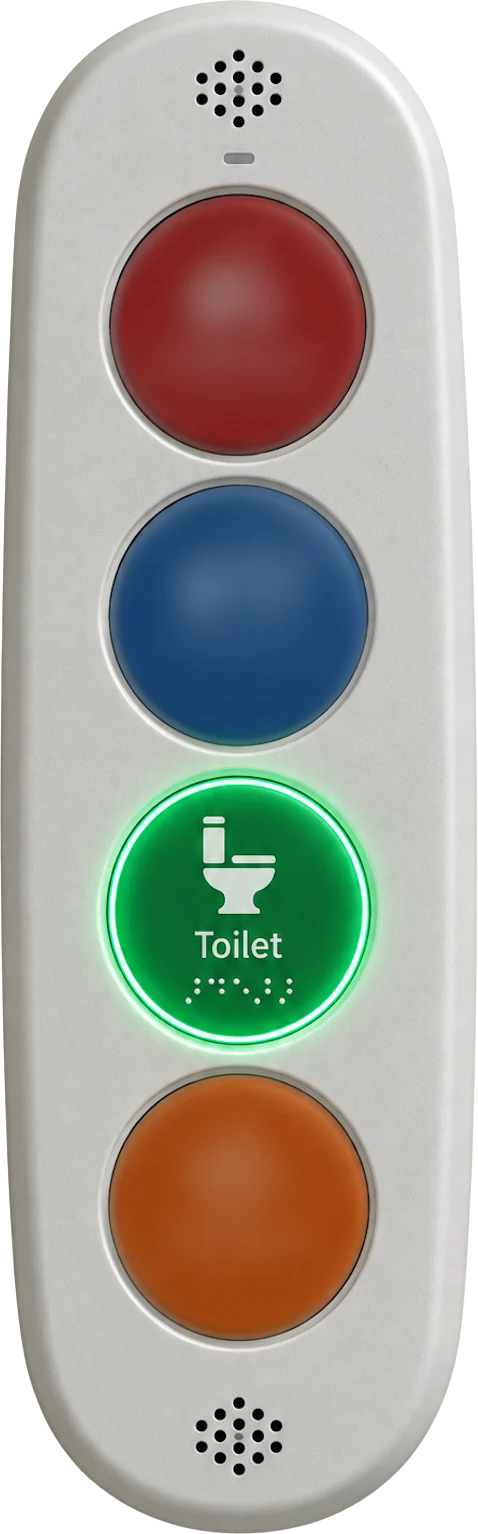
From signal to closed task, in four steps.
- 1
The patient says what they need
A few taps at the bedside instead of one anonymous button.
- 2
AIM categorises the signal
Clinical need, urgency and required competence, resolved in the moment.
- 3
The right person is assigned
Routine tasks go to assistants; nurses keep the work only they can do.
- 4
Staff get a clearer basis to prioritise
One shared picture of the ward, so the people on shift can judge what matters next.
The team that is AIMing for the future of healthcare.
Between us: clinical work, electronic systems, data analytics, finance and business development. Based in Trondheim, with experience from New York and Boston.
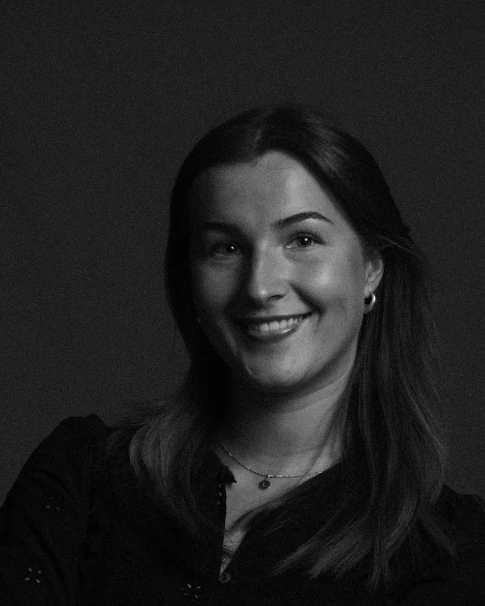
Laura Mozeryté
CEO
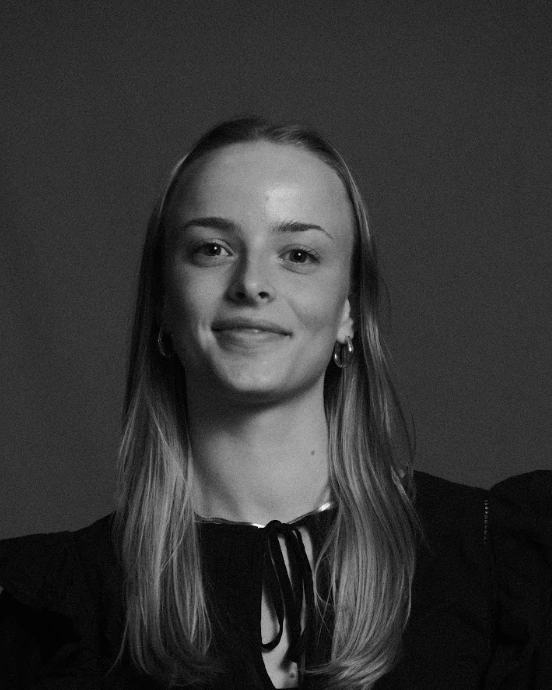
Adele Ferger
CTO
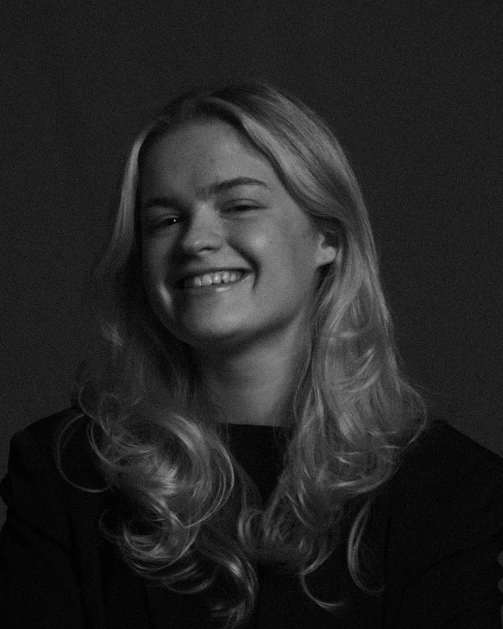
Thea Eng Brenden
Chief Clinical Officer
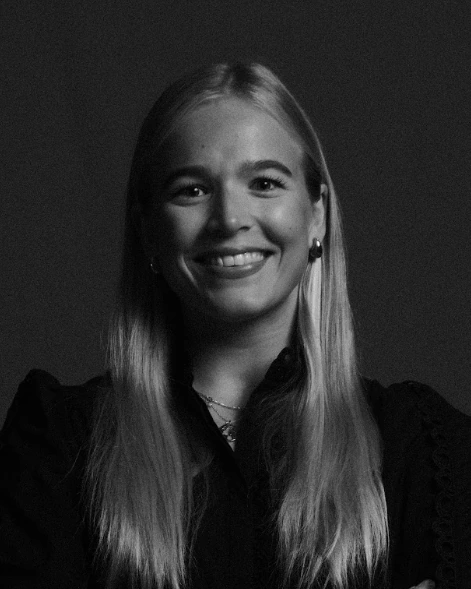
Thea Duus
Chief Market Officer
What’s next
Upcoming
MSc and BSc students from interaction design and design in Gjøvik join us to design the software and hardware of AIM
TeamAnother simulation of AIM at NTNU Trondheim
ProductWe are attending Trondheim Tech Festival
Events
Newsletter
Making hospital logistics smarter.
Stay updated on what we’re building to improve hospital logistics, resource efficiency and the everyday work of healthcare professionals.
Monthly. Unsubscribe any time.
In the last issue
- We received funding from SMN Bidraget and NTNU Discovery.
- Testing AIM at the simulation lab at NTNU Gjøvik.
- Summer updates from building AIM in Boston.
Partners & supporters
Clinical, academic and funding partners across Norway, the UK and the US.




Get in touch.
Book a meeting with us. Wards, buyers, partners or anyone curious about what we are building.
Everything you share with us stays confidential.